Legal News
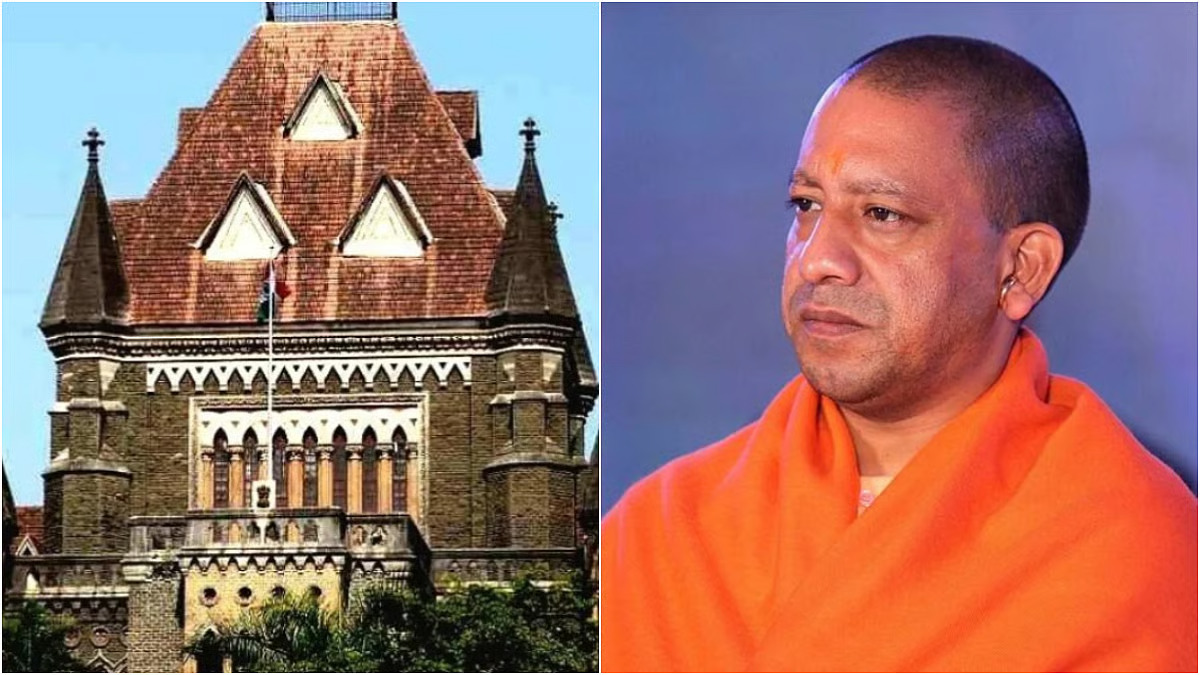
Bombay High Court to review film on Yogi Adityanath after CBFC denies certification
05:33 AM, Friday,22 August 2025
The film, described as a fictional narrative inspired by the book The Monk Who Became Chief Minister, was originally scheduled for release on August 1
The Bombay High Court said on Thursday (August 21, 2025) that it will watch the film, Ajey: The Untold Story, reportedly based on the life of Uttar Pradesh Chief Minister Yogi Adityanath, before it makes a decision on issuing a censor certificate. The court stepped in after the Central Board of Film Certification (CBFC) denied the movie a censor certificate, citing multiple objections. The filmmakers petitioned the court, challenging the CBFC’s refusal to certify the film.
The film, said to draw inspiration from the book The Monk Who Became Chief Minister, has been caught in a censorship tussle after the CBFC refused clearance, insisting that the makers first obtain a No Objection Certificate (NOC) from the UP CM’s office — a demand the filmmakers call “unconstitutional and beyond its jurisdiction.” The court too observed that the CBFC should not insist on an NOC.
A Division Bench of Justices Revati Mohite Dere and Neela Gokhale noted that the court would examine the disputed portions before ruling on the petition filed by the filmmakers. The producers have been directed to submit a copy of the movie, clearly marking the scenes flagged by the censor board. The matter will be heard next on August 25.
Freedom of expression
Senior advocate Ravi Kadam, for the filmmakers, argued that the CBFC’s decision infringed upon the filmmakers’ right to freedom of expression. He further contended that the board had overstepped its authority by seeking an NOC from a private individual. He also said that the high court can decide their petition even though there is an alternative remedy available under the Cinematograph Act, arguing that the issue raises larger constitutional questions on artistic freedom and censorship in India.
The court was also informed that a copy of the book on which the film is based has already been submitted for reference.
Senior advocate Abhay Khandeparkar, representing the CBFC, defended the board’s stance, asserting that it had adhered to the principles of natural justice while handling the case. He stressed that the Revising Committee had also rejected the filmmakers’ request, adding that the proper course now available to them was to file an appeal before the High Court.
However, the Bench expressed displeasure at the CBFC’s approach and remarked, “When exactly did you follow the principles of natural justice? This is an exercise you ought to have done for every film, yet you have failed to do it.”